• NFDI4 Memory FAIR Data Fellowships

    NFDI4Memory, a German consortium uniting cultural and archival institutions in strive to redefine digital methods and create a coherent national structure, has announced the 3rd round of the excellent FAIR Data Fellowships. This one-month program promotes provides an excellent course to data management and publication as per FAIR and Open Access principles, covering issues such as repository sustainability, distribution license, standardization and much more. Read more about FAIR (Findable, Accessible, Interoperable, Reusable), the new standard in digital humanities here.

    The program is open for everybody, although you may wish to show why one of the three partnering institutions, Herder Institute, Leibniz Institute or Herzog August Bibliothek Library is relevant for you.

    Highly recommended!
  • Mapping the Jewish family

    When did the Jews get married? Who lived with whom in a Jewish household? Could poor young Torah scholars really marry into wealthy families and enjoy kest? Last but not least, was there such a thing as a “traditional Jewish family”? If you have ever asked yourself these questions, check out my new paper, Mapping the Jewish family in eighteenth-century east-central Europe. Diversity, unity and in-law-equality” (DOI: 10.1080/1081602X.2025.2549328).

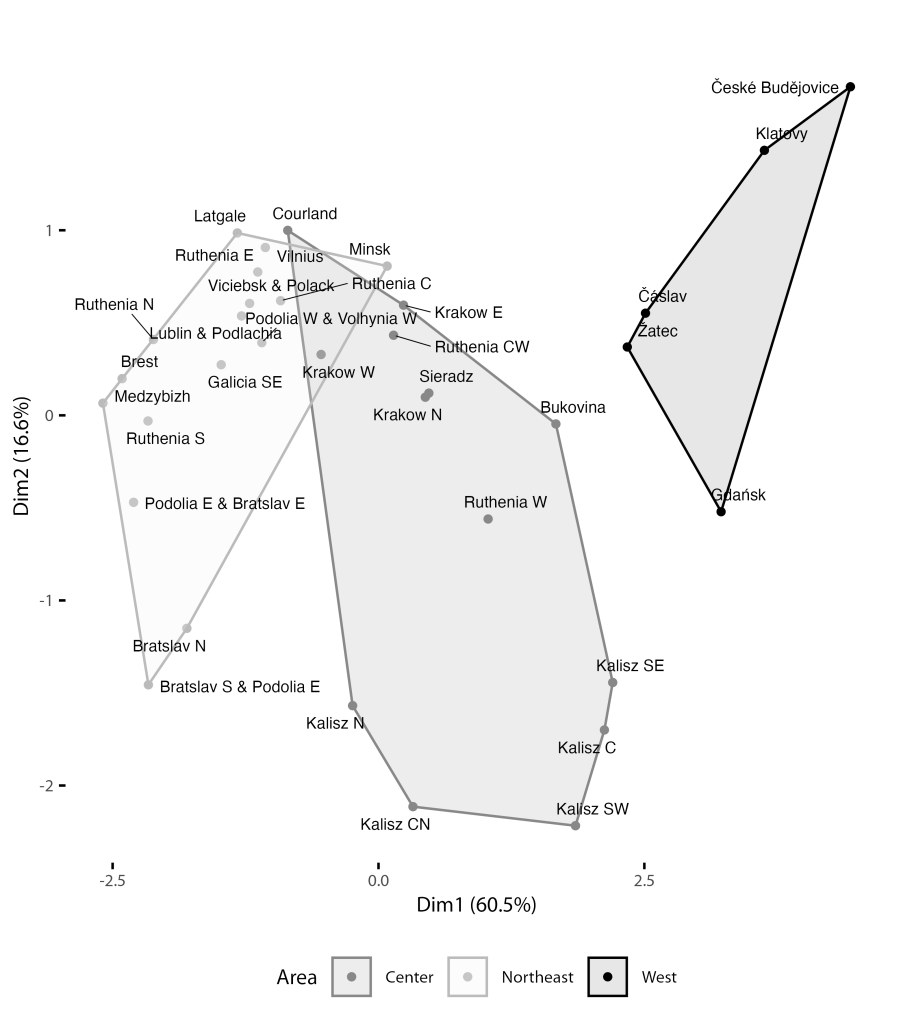
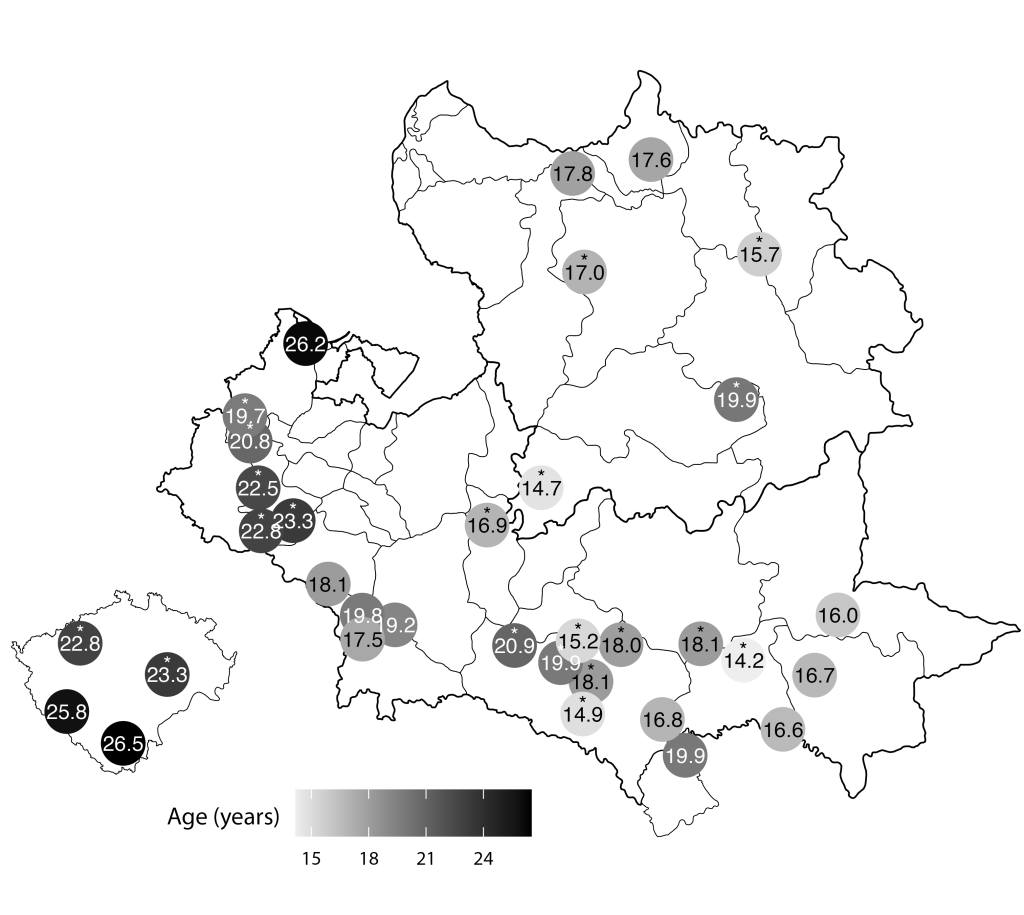
    Census data on over 100,000 Jews living in East Central Europe reveals significant variations in marriage patterns, domestic service and household composition. Clustering methods suggest three primary regional family models. Their boundaries largely coincide with Prussian and Habsburgs’ residential policies towards Jews, leaseholding patterns, and the reach of Yiddish dialects.

    Available in Open Access via The History of the Family.

    Statistical separation of regional Jewish family forms in east-central Europe, 1764–1809
    Mean age at marriage for Jewish women in east-central Europe, 1764–1809

  • Beyond Digital Awe

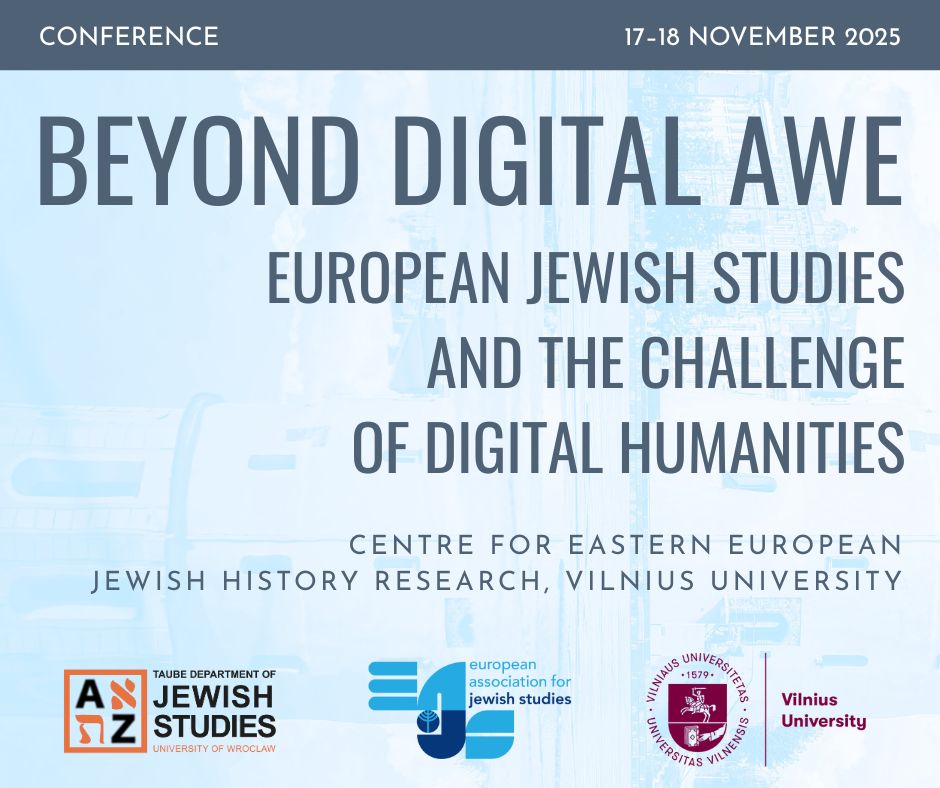
    The conference will take place on November 17–18 at the Centre for Eastern European Jewish History Research at Vilnius University.

    Beyond Digital Awe is organised with the Taube Department of Jewish Studies at the University of Wrocław and thanks to the financial support of the European Association of Jewish Studies.

    See you soon!

  • Interview for German Historical Institute

    The German Historical Institute in Washington, together with NFDI4Memory, is holding a series of interviews called “Hätte ich das mal eher gewusst…”, in which historians recount their experiences with digital humanities to encourage the young generation to experiment with the field.

    I had a pleasure to contribute to this series. Read my interview here.

    I hope it wasn’t too discouraging.

  • Forging Bonds Across Ashkenazi Europe: Between Big Data and Microhistory

    How are new methods changing Jewish studies? How do (sometimes radically) different methods contribute to a better understanding of the past? These are the themes that we discussed on August 6 at my panel “Forging Bonds Across Ashkenazi Europe: Between Big Data and Microhistory” at the 19th World Congress of Jewish Studies in Jerusalem. From big data models redefining the family history in Poland-Lithuania, new Hebrew AI handwriting text recognition models speeding up research based on early modern sources (and outperforming historians!), to microhistory helping to overcome epistemological trap of Jews as “the others”. Thank you for coming!

    Time: 11:30-13:30
    Building and Room: Hum 47212

    Chair: Shaul Stampfer

    Tomasz M. Jankowski, Beyond Kest. In-Law Equality as a
    Residential Strategy in Poland-Lithuania

    Vladyslava Moskalets, Salons and Cafés. Jewish Social Spaces in
    Habsburg Galicia

    Emanuel Elyasaf, Pinkas Brody as a Microhistory Source

  • Courland census microdata

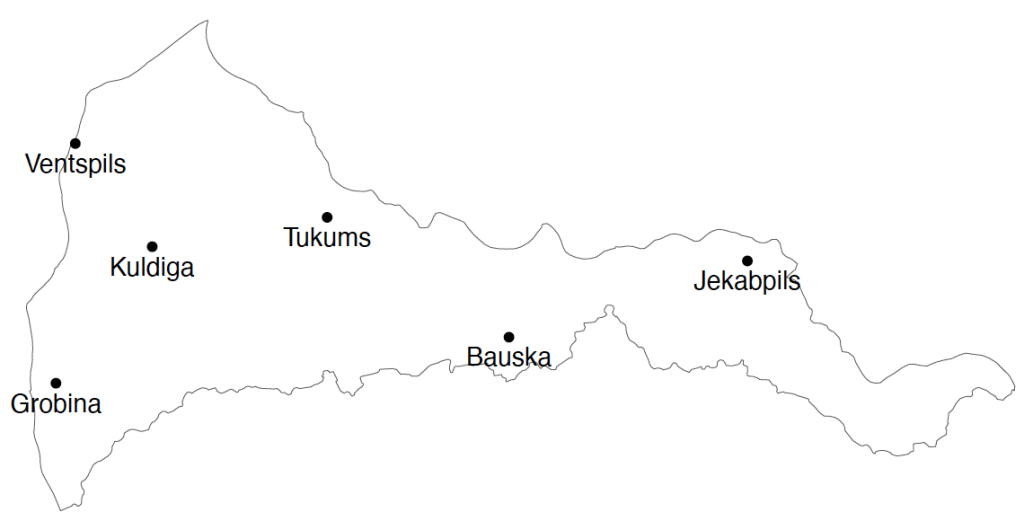
    I recently finished working on the microdata coded from the 1803–1804 Courland censuses. You can download the database from the Emporion repository.

    The database contains information on 3,081 individuals who lived in Courland’s towns in the early nineteenth century. The microdata were extracted from surviving census lists of towns enumerated between 1803 and 1804. This cross-sectional data provides insight into social, demographic, and economic life in the multinational Baltic urban milieu. The original documents are held in the collections of the Herder Institute in Marburg and the Latvian State Historical Archives in Riga.

    The publication process was supported by NFDI4Memory Fair Data grant.

Tomasz M. Jankowski
Privacy Overview

This website uses cookies so that we can provide you with the best user experience possible. Cookie information is stored in your browser and performs functions such as recognising you when you return to our website and helping our team to understand which sections of the website you find most interesting and useful.